For many buyers, especially those navigating competitive markets or tight budgets; it’s tempting to zero in on the most affordable listing and assume it’s the smartest financial move. But buying a home is more than a numbers game. While price is clear and immediate, value is often hidden in the details: the condition of the property, the quality of the neighborhood, future expenses, and long-term resale potential.
The cheapest home on the block might look appealing on paper, but it can come with a range of hidden costs that quietly chip away at your savings. Whether it’s aging systems, costly repairs, or limited future appreciation, these factors can quickly turn a ‘budget buy’ into an expensive mistake.
Understanding the difference between price and value helps you avoid these pitfalls and empowers you to choose a home that supports both your lifestyle and long-term financial goals.
Price vs. Value: What’s the Difference?
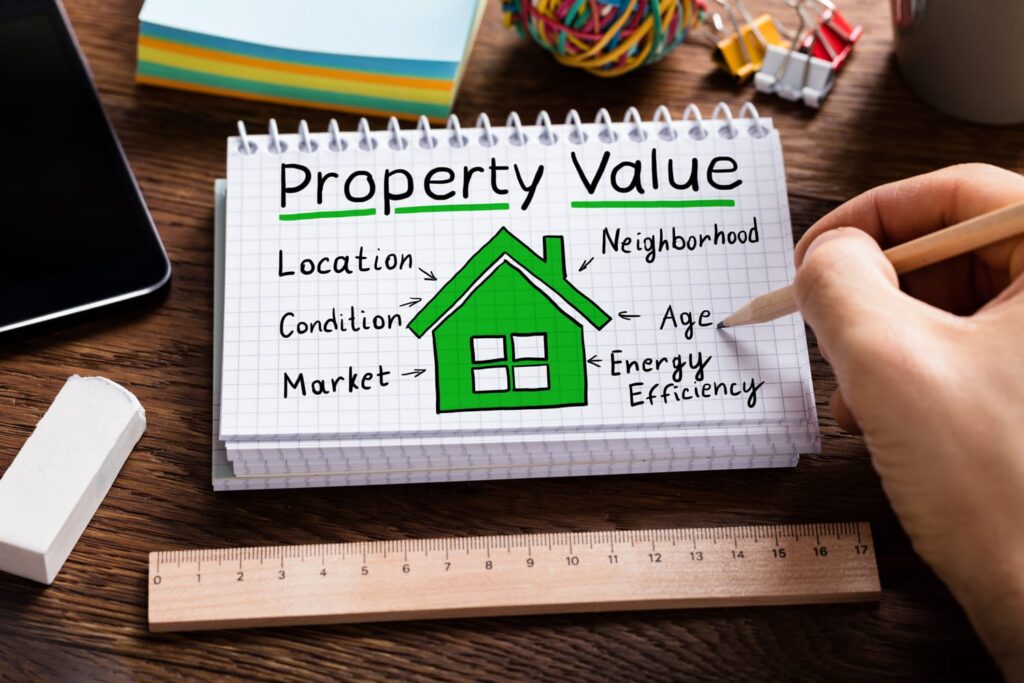
Price is the upfront number you see on a listing. It’s what you pay to purchase the home. Value, on the other hand, reflects what the home offers over time, its condition, location, quality of life, future appreciation, and potential resale value.
A low-priced home might seem appealing until hidden costs start adding up. Conversely, a home priced slightly higher may come with better construction, modern systems, a stronger school district, or a more desirable neighborhood—adding long-term value that outweighs the initial savings.
The Hidden Costs of a ‘Cheap’ Home
Sometimes, the cheapest home is a money pit in disguise. Here are a few ways that low purchase prices can come with high hidden costs:
- Major Repairs: Outdated plumbing, roofing, or HVAC systems can require immediate and expensive updates.
- Energy Inefficiency: Older windows, insulation, or appliances can drive up utility bills.
- Deferred Maintenance: Neglected upkeep can lead to costly fixes, from water damage to foundation issues.
- High Taxes or Insurance: Some older or poorly located homes can come with inflated property tax rates or insurance premiums.
- HOA Fees: A low price may not account for hefty monthly dues if the property is in a community with a homeowner’s association.
Opportunity Cost: What Are You Giving Up?
When you focus on a lower price tag, it’s easy to overlook what you’re sacrificing:
- Time and Energy: Constant repairs and renovations can drain your schedule and your wallet.
- Lifestyle Trade-Offs: A cheaper home might mean a longer commute, fewer amenities, or a weaker school district.
- Lower Appreciation: Homes in less desirable locations or poor condition often grow in value more slowly or not at all.
Sometimes, saving upfront leads to paying more in ways that don’t show up on a closing statement.
How to Evaluate Real Value
Want to ensure that you are making a smart investment? Focus on the full picture:
- Compare Similar Listings: Look at homes within the same price range that offer more in terms of condition or location.
- Estimate Total Cost of Ownership: Factor in repairs, maintenance, utilities, taxes, and insurance not just the sale price.
- Think Long-Term: If you are planning to stay in the home for 5+ years, invest in quality that holds its value.
Consult a Local Expert: Real estate agents can help you assess which homes are likely to appreciate and which might underperform.
A Real-World Scenario
Imagine two buyers. Buyer A goes for the lowest-priced home in a neighborhood, only to spend $40,000 in unexpected repairs within the first two years. Buyer B chooses a slightly higher-priced home that’s move-in ready, energy efficient, and located in a stronger school district. Five years later, Buyer B’s home has appreciated steadily and required minimal maintenance.
The lesson? Value isn’t just what you pay—it’s what you keep.
Buy Smart, Not Just Cheap
Choosing a home isn’t just about what you spend on day one—it’s about what that decision gives you in return. A low purchase price might feel like a win, but if the home drains your budget in maintenance, underperforms in resale, or limits your lifestyle, it may not be the best deal after all.
Instead, focus on the full picture: livability, condition, location, and long-term costs. Value shows up in the details—and smart buyers know how to spot it.