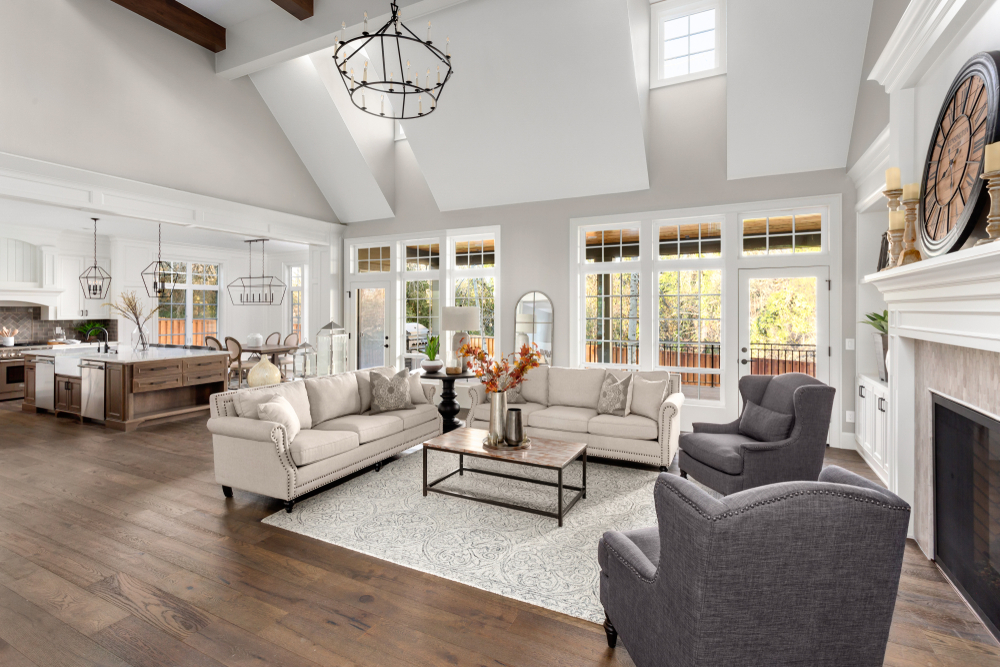
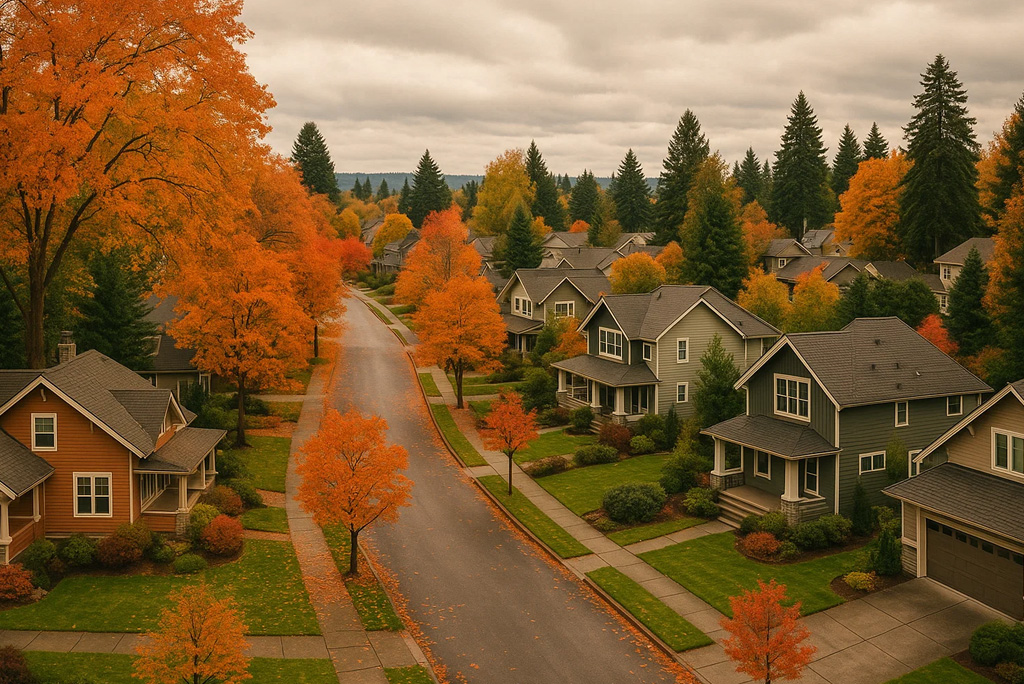
When browsing homes for sale in Washington, it doesn’t take long to notice how different the listings can look compared to other parts of the country. Property types, neighbourhood features, and even the wording used in descriptions can vary a lot depending on where you’re looking. If you’re coming from another state, it might feel a little unfamiliar at first. Some listings use local terms or highlight things that don’t normally show up elsewhere.
Fall also brings its own flavour into the way homes are listed. The Pacific Northwest weather can affect photos, descriptions, and what sellers choose to point out. In this post, we’ll look at a few key differences that show up in Washington listings this time of year and why it helps to notice them early.
Regional Listing Styles Can Vary
Washington is a state of strong contrasts. On the western side, there’s more rain, dense greenery, and cities like Seattle that lean tech-focused and urban. On the eastern side, you’ll find more open land, drier seasons, and plenty of space between homes. These differences come through clearly in listings.
In places like Seattle or Bellevue, listings often talk about location—how close the home is to parks, coffee shops, or bus lines. Walkable neighbourhoods and digital-ready spaces tend to be part of the draw. Sellers might point out smart thermostats, fibre internet, or EV charging setups.
Out toward Spokane or Yakima, you’re more likely to see listings that focus on acreage, sheds, or large garages. Homes with plenty of land and room to grow are often the main feature. In some areas, you’ll even find barns and workshop spaces listed as key assets.
Even the way home systems are described may change. Western homes may highlight new roofs or updated drainage to handle heavy rain. Eastern homes might talk about irrigation systems or insulation built to hold heat through colder winters. The choice of what to spotlight says a lot about the local lifestyle.
On Realoq’s platform, buyers can search homes for sale in Washington by region and feature, which helps filter for homes with essentials like heating updates or extra workspace.
What You See in Listings May Not Always Be Standard
Some of the differences in Washington listings pop up in small ways. For one, not every state uses the same real estate terms. If you’ve never come across “ADU” before, it refers to an Accessory Dwelling Unit—something commonly mentioned in Washington listings. These can be detached backyard units, garage apartments, or in-law suites, and they’re a big deal in cities with limited space.
Zoning terms or land-use language may also appear more often than you’re used to. Some cities care more about how property is used, which can affect how listings are written. Not every listing calls out square footage in the same spot, either. And homeowners association (HOA) details aren’t always shown upfront unless the seller thinks it’s a strong selling point.
Photos can take on a different role in the fall. Clouds, rain, and early leaf drops can make pictures feel dimmer or less colourful. That doesn’t mean the home isn’t great—it just means you’re seeing it during a cooler, wetter part of the year. Lighting and seasonal landscaping can shift what a home looks like online versus in person.
Neighbourhood Features Matter More Than You Might Think
Fall in Washington brings wetter days and lower light, which highlights some location-specific details in a listing. Flood zones are a regular concern in many parts of the state, and you’ll sometimes see that noted clearly in home descriptions. If there’s a steep slope or a lot of tree coverage, those details might be highlighted in a way that wouldn’t matter as much in drier states.
For rural homes, shared driveways and public easements often appear in the listing notes. Septic tanks and well systems are more common once you get outside the metro areas, and those elements show up in descriptions to give buyers a heads-up before a visit.
Even in city listings, certain neighbourhood traits—like school boundaries or walk scores—get pointed out more during this time of year. That’s because families may be starting to look ahead to next year, and school zoning tends to matter more in the fall than in summer.
Realoq’s listings include details on schools, lot features, and local amenities so buyers can compare homes for sale in Washington with more confidence from the start.
Real Estate Language Reflects Local Trends
Certain phrases seem to show up more often when reading through homes for sale in Washington compared to other states. “Puget Sound View,” for example, is common in coastal listings and gives a clue that you’re paying for more than the square footage. “Daylight basement” is another you might see in areas with sloped lots, meaning the lower level has windows and isn’t completely underground.
During fall, sellers often highlight seasonal features in a more noticeable way. You may see lines about a new heating system or recent roof maintenance right there in the short description. These details stand out because buyers want to know a home is ready for colder months.
Some listings even call out where you can catch fall foliage or enjoy morning rain under a covered patio. For locals, these details speak to the experience of living there year-round. For someone new to the area, it can help paint a picture of what to expect in different seasons.
How Fall Shapes the Pace and Detail of Listings
By late October, the rush of summer buying has slowed, but listings haven’t disappeared. Instead, sellers tend to be more intentional. Homes that hit the market in the fall often include more detailed descriptions, updated photos, and thoughtful staging—even if the leaves are already on the ground.
Because there are fewer new listings popping up each week, buyers searching now get more time to review what’s available. But that doesn’t mean homes sit idle. A well-presented listing can still catch someone’s attention quickly, especially if it’s priced clearly or offers something rare in the area.
Some sellers try to sweeten the deal before winter by offering small incentives, like flexible closing dates or repairs already in progress. It’s a season where buyers and sellers both want to wrap things up before the end of the year. Having a slower pace gives buyers room to ask questions and compare details without feeling too rushed.
Reading Listings More Confidently
Noticing what stands out in Washington listings isn’t just about knowing the terms—it’s about reading between the lines. When you understand local phrases, seasonal shifts, and what’s considered normal, the whole process feels easier. It keeps your focus on homes that fit, versus ones that just look interesting online.
Listing language is always meant to catch your interest, but in Washington, it can change from city to city or even neighbour to neighbour. Spotting a “covered patio” in one part of the state may signal year-round outdoor use, while in another, it may just mean shelter from fall rain. Knowing the difference can help you ask smarter questions and feel better prepared when viewing a home in person.
Buyers who take the time to notice the patterns in fall listings can feel more grounded during the search. When the descriptions make more sense, and the features match what matters to you, it becomes easier to focus on the homes that are worth your time. We always recommend having someone familiar with the area help break down what each listing is really saying—and what may be left out.
Every listing tells a story, but some stories are easier to read when you know the local language. Fall just happens to be a great moment to slow down and learn it. At Realoq, we know how much regional details can shape your search experience, especially when you’re looking through homes for sale in Washington during the fall. Having someone familiar with the area makes it easier to ask the right questions and spot key listing features that matter in each neighbourhood.