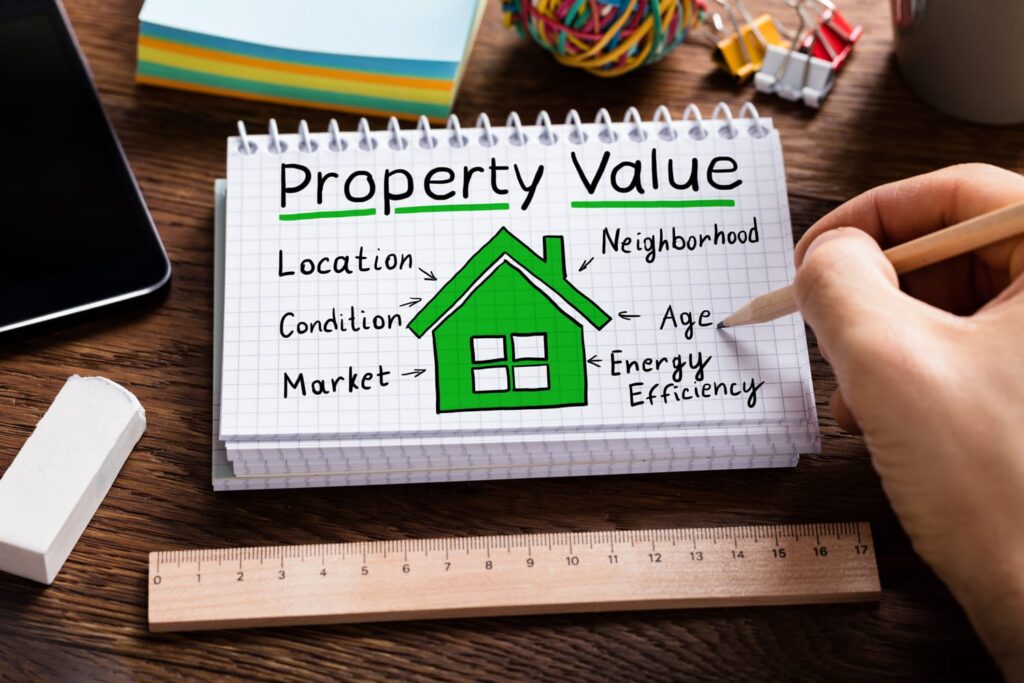

Buying a home is a milestone but it’s also a commitment that extends far beyond the mortgage payment. First-time buyers often fixate on one number and that is the monthly mortgage amount. It’s the most visible cost, the one lenders quote and calculator estimate. But homeownership comes with an ongoing, layered set of expenses that are easy to underestimate and even easier to overlook until they hit your wallet.
Understanding what your mortgage doesn’t cover is critical. These hidden or recurring costs can quietly reshape your budget, impact your long-term plans, and even determine whether your dream home remains affordable in the years to come.
In this article, we break down the essentials, which are often underestimated expenses that come with owning a home, so you can plan confidently and avoid financial surprises.
1) Property Taxes: The Recurring Reality
Property taxes vary widely by location and are recalculated based on assessed value. That means a bump in your home’s market value can trigger a higher tax bill, even if your mortgage payment remains steady.
- Local factor: In some areas, property taxes account for more than 2% of a home’s value annually.
- Escrow impact: If your mortgage includes an escrow account, your monthly payment may increase to reflect a higher tax estimate, often without much warning.
2) Homeowners Insurance: Protection Comes at a Price
While lenders require basic coverage, homeowners insurance rates can rise annually and may not cover everything you assume.
- Natural disasters: Floods, earthquakes, or hurricanes typically require additional coverage.
- High-risk areas: If your home is in a wildfire or coastal zone, your premiums may be significantly higher or coverage may be difficult to obtain altogether.
3) HOA Fees and Special Assessments
Buying in a planned community or condo development? Expect to pay monthly homeowners association (HOA) fees.
- What’s covered: These often include landscaping, community amenities, or exterior maintenance.
- Special assessments: If the HOA needs funds for large repairs (like repaving roads or fixing a roof), homeowners may be charged a one-time fee that can run into thousands of dollars.
4) Maintenance and Repairs: The Ongoing Expense
All homes need regular upkeep, even the newly built ones. But as a property ages, the likelihood of frequent or unexpected repairs increases significantly.
- Routine costs: HVAC servicing, gutter cleaning, pest control, and seasonal landscaping.
- Major repairs: Roof replacement, foundation issues, or plumbing problems can cost thousands and often come with little notice.
A common budgeting guideline is to set aside 1–3% of your home’s value annually for maintenance but depending on the age and condition of the property, that number can go higher.
5) Utilities and Services: Often Underestimated
From heating and cooling to internet and trash pickup, utility bills can add up quickly—especially in larger homes.
- Size matters: Moving from a 900 sq. ft. apartment to a 2,500 sq. ft. home can double or triple your utility costs.
- Unexpected costs: Some services like sewer fees or private water systems aren’t always visible up front but can be costly over time.
6) Appliances and Furnishings: Not Just a One-Time Buy
Homeownership often means outfitting more space and replacing more things.
- Wear and tear: Water heaters, dishwashers, washers and dryers all have lifespans.
- Initial purchases: Larger spaces may require more furniture or window treatments, which can quickly exceed your moving budget.
7) Landscaping and Exterior Upkeep
Curb appeal is a long-term responsibility. Whether it’s mowing the lawn, trimming trees, or preventing erosion, outdoor maintenance takes time and money.
- DIY vs. professional: While some homeowners opt for self-maintenance, large lots or elaborate landscaping often require professional help.
- Local ordinances: In some neighborhoods, failing to maintain your exterior could lead to fines.
Why It Matters: Looking Beyond the Mortgage
Ignoring these additional costs can lead to budget stress, deferred maintenance, or even buyer’s remorse. Homeownership is rewarding, but only when your financial planning aligns with the full picture of responsibility that comes with owning property. The key takeaway? Owning a home requires more than making a mortgage payment. It demands ongoing investment of time, money, and attention. Planning for the true cost of ownership not only protects your finances but ensures that the place you call home remains a source of comfort, not stress.
Final Thoughts
A mortgage may be the biggest line item in your monthly housing budget, but it’s far from the whole story. From property taxes to surprise repairs, every homeowner eventually learns that the real cost of owning a home is broader and sometimes deeper than expected.
The more realistic your expectations are, the more sustainable your homeownership journey becomes. Planning for these hidden costs isn’t just smart—it’s essential. Think of it not as a burden, but as the price of long-term stability and autonomy in a place that’s truly yours.